
If I hadn’t started painting, I would have raised chickens.
Grandma Moses

If I hadn’t started painting, I would have raised chickens.
Grandma Moses
The celebrity thinks success is being famous. The artist knows success is being
faithful. The celebrity chooses style over substance. The artist knows looking
good is never as important as being good.
Read more at http://www.prophecynewswatch.com/2013/October17/176.html#LysPSlfL6b31lYxY.99
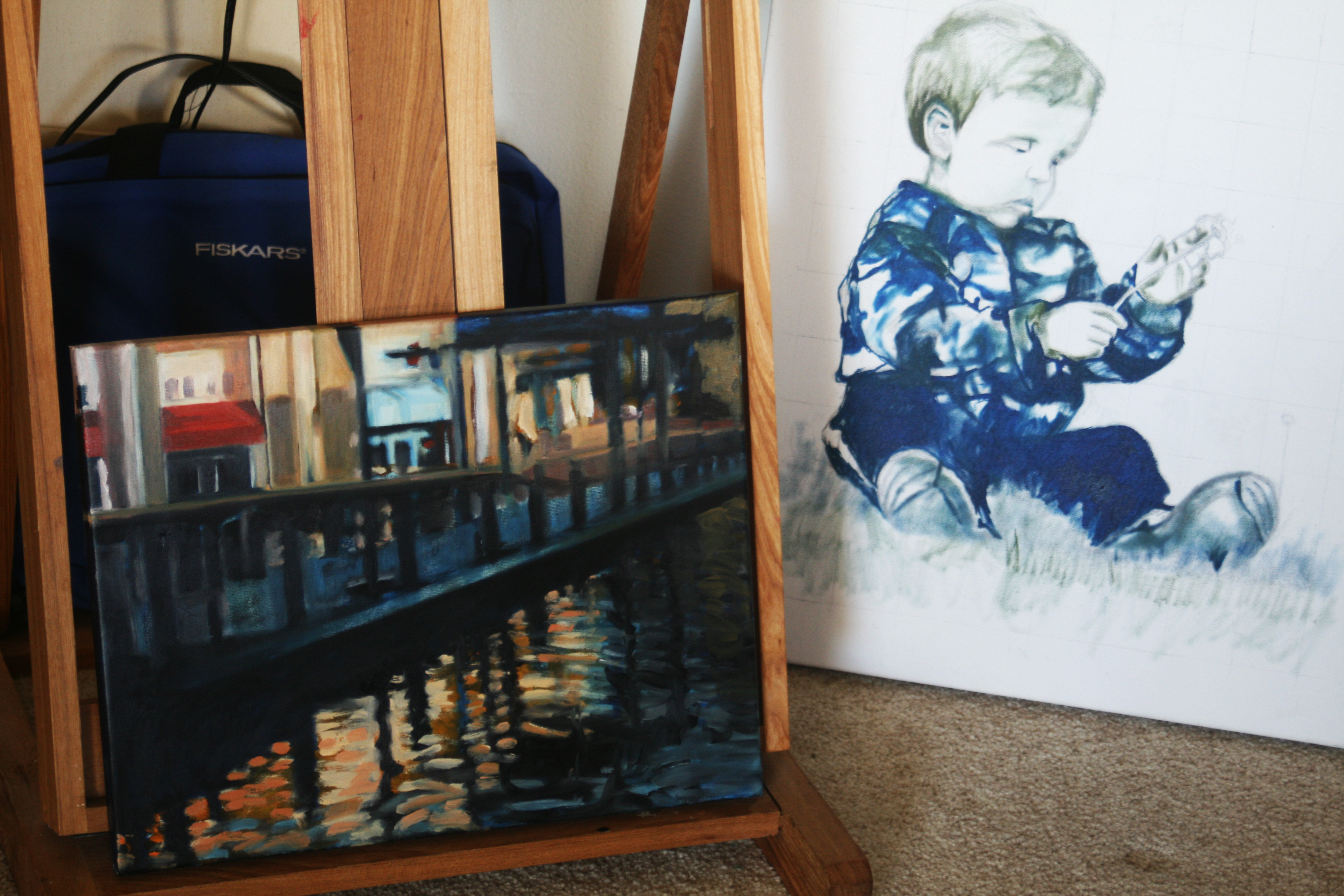
“As my artist’s statement explains, my work is utterly incomprehensible and is therefore full of deep significance” ~Calvin and Hobbes
Painting is very easy when you don’t know how, but very difficult when you do.
Edgar Degas.
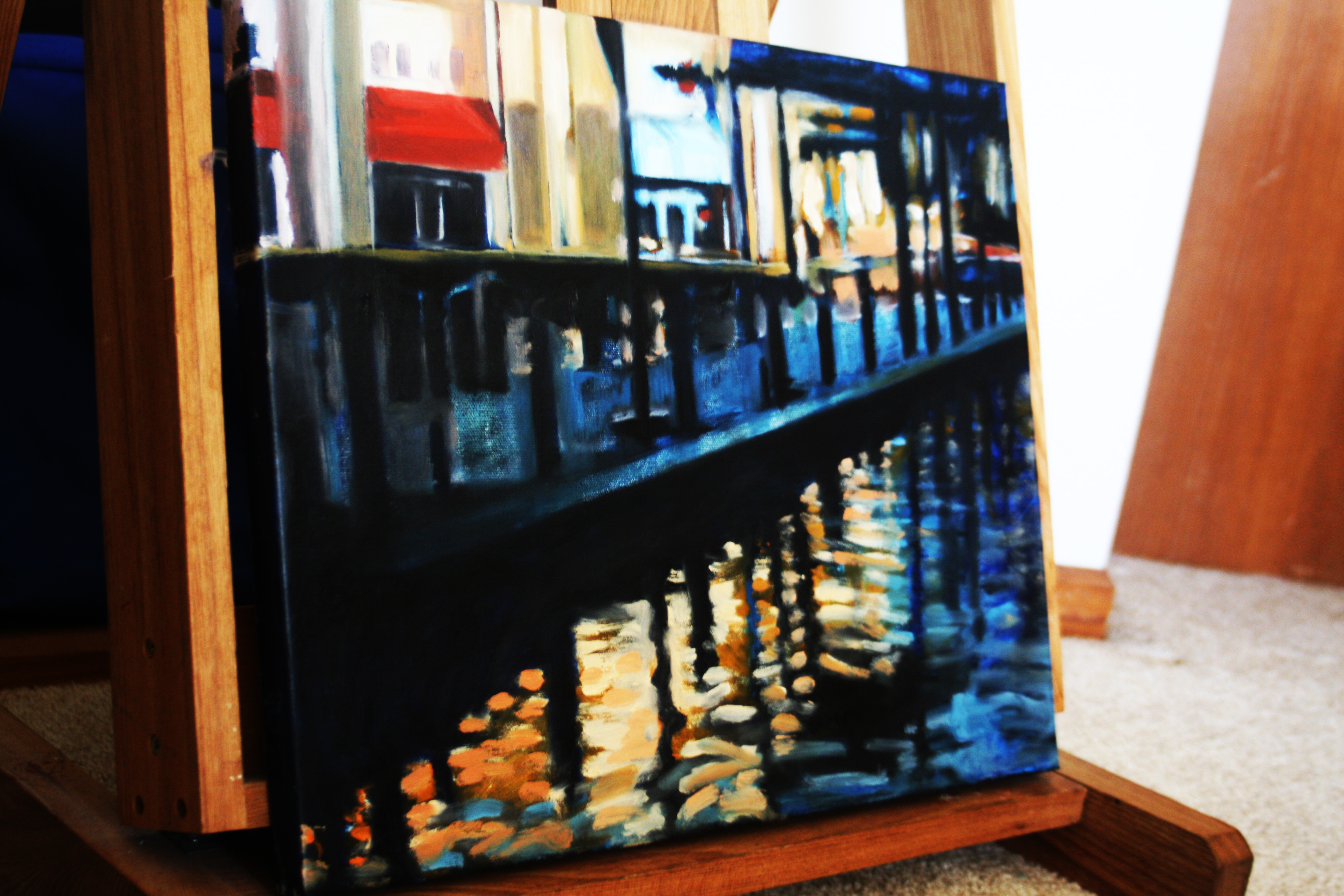

This is a 24″ x 20″ portrait that I am finally starting. I’m working on the preliminary sketch which I will get quite detailed with. I’ll lose it all once I start painting but I’ll have some good coordinates to work from. This is not a picture that I took but instead a photograph that was taken by my client and was asked if I could do a portrait from it. This is a very nice image although I did crop it by switching it from a landscape image to a portrait image. This is day #2, Day #1 was printing the picture and doing the grids.
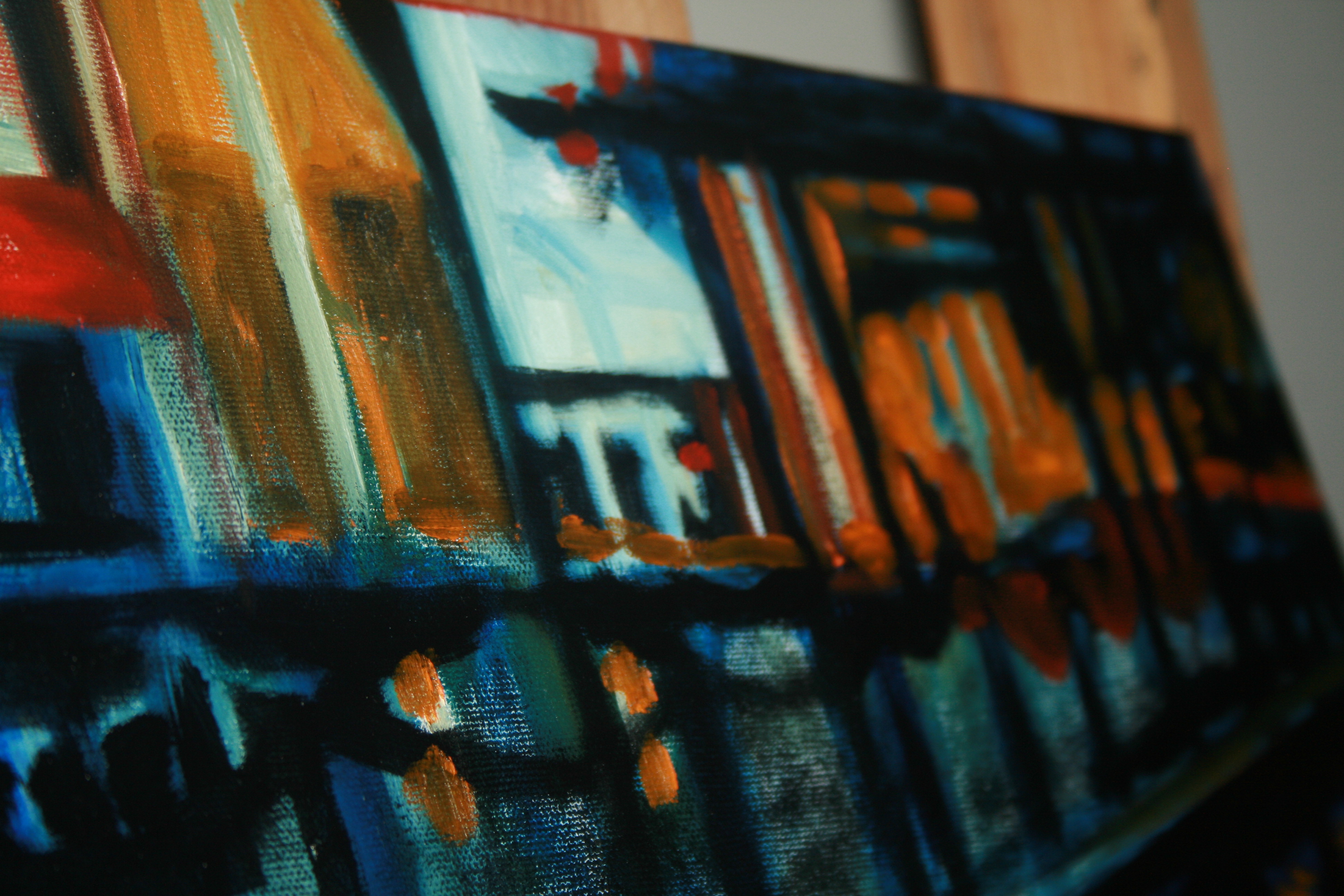
She used to drag her mattress beside her low window and lie awake for a long while, vibrating with excitement, as a machine vibrates from the speed. Life rushed in upon her through that window-or so it seemed. In reality, of course, life rushes from within, not from without. There is no work of art so big or so small that it was not once all contained in some youthful body, like this one which lay on the floor in the moonlight, pulsing with ardor and anticipation.
Willa Cather, The Song of the Lark

Inspiration comes when it wants. The secret is to sit and wait for it or bore yourself silly. When it does come it is fleeting and it’s brilliant. The moment is more real than any other moment.
I love the early stages of a painting. It’s muddy, sloppy and wet. It’s just a bunch of ground work that makes no sense to anyone and not even me sometimes.
Almostfinnish current news;
Forced lockdown of a city. Militarized police riding tanks in the streets. Door-to-door armed searches without warrant. Families thrown out of their homes at gunpoint to be searched without probable cause. Businesses forced to close. Transport shut down.
These were not the scenes from a military coup in a far off banana republic, but rather the scenes just over a week ago in Boston as the United States got a taste of martial law. The ostensible reason for the military-style takeover of parts of Boston was that the accused perpetrator of a horrific crime was on the loose. The Boston bombing provided the opportunity for the government to turn what should have been a police investigation into a military-style occupation of an American city. This unprecedented move should frighten us as much or more than the attack itself.
Ron Paul
I was hoping to say something profound while I collected my thoughts here.
![$T2eC16h,!y0E9s2S9Jw9BR,fwQt5mw~~60_57[1]](https://almostfinnish.com/wp-content/uploads/2013/04/t2ec16hy0e9s2s9jw9brfwqt5mw60_571.jpg)
But I got nothing.
They say…
good artists borrow
and great artists steal.
I’ve been intrigued by some old postcard photographs from the 1900’s called ‘Paper Moon.’ They use an acronym RPPC meaning real photo postcard that originated during the dates between 1904-1918. There are a lot of these images taken with kids or couples; families and friends as they would get their picture taken with this life-size paper moon in the background. These photographs are still around and people collect them. The photographs are sepia maybe black and white or both I’m not too sure. I like old photography to begin with the cameras, the color and the serious faces. I like the whole studio effects and the flatness and how desolate things can look.
I just love this idea and feel the need to explore this topic some more. I just want to bring myself back to that era. In the process maybe bring a good original idea back to life with a new contemporary perspective or modern-day version. I’m in the planning stage to do a painting with this theme. I already have the person and image in mind I just need to get the moon and person sketched out together on canvas. I know some photographs will follow in the mix. How hard could it be to make a paper moon? What does it look like it’s made out of is it wood, fiber glass or foam core?
![300859606598_1_0_1[1]](https://almostfinnish.com/wp-content/uploads/2013/04/300859606598_1_0_11.jpg)
Of course I have to finish my painting in process before I start another…not.
I have so many paintings in process again. Three that I can think of off the top of my head but I know there are a couple more tucked away.” The fine art of finishing a painting.” Some will need some serious time to get done and I don’t have any serious time at the moment. So they will have to wait until summertime when the days are long. I thought if I worked smaller it would go faster but it’s just as much work to do a small painting as a big painting. So my creative process is divided but it is aways in play.
What’s next on your plate?
I have to laugh. I wasn’t very hungry the other night but my son made sure he let mt know that I couldn’t leave the table until I finished everything on my plate.
I stopped saying that.
*Just a note the flags are at half mast around here but it seems like they are always at half mast these days.
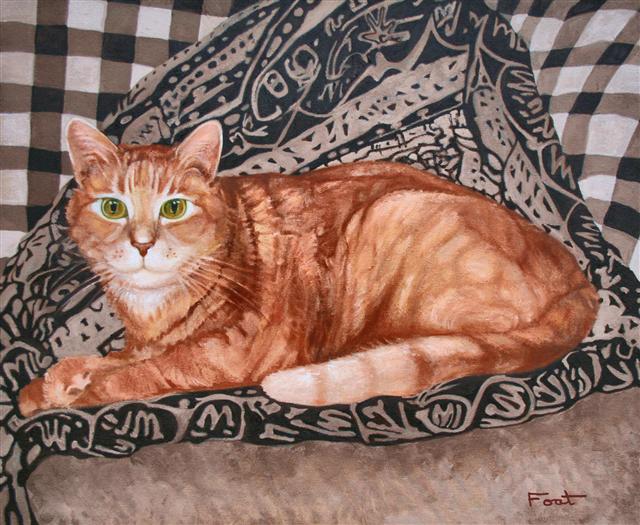
Day one: A friend of mine recommended me to someone who wanted a painting done of their cat. So I met them at Alterra coffee-house a neutral place where we could meet about commissioning a portrait of a cat named Bartholomew/Bart. We Looked at photograph’s, I said I could do this painting and then signed a contract I brought along.
Day two: I reviewed photos, did some sketches, e-mailed client back and waited for confirmation.
Day two: Confirmation from client, printed image and picked up canvas.
Day three: Did grid and started drawing on canvas.
Day four: Still drawing image onto canvas. This is a crucial part of the process getting everything right from the start although it all gets covered with paint.
Day five: I started with a basic under painting worked on background and went straight into the fabric.
Day six: I began with the eyes the most important part. I need to get the eyes perfect.
Day seven: Worked on the face of cat and whiskers.
Whiskers really helped painting.
Day eight: painted the ears.
Day seven: I needed to darken the pattern on the fabric. Darkening some fur shadows and added fluffy accents throughout cat giving it more shape and form so it looks like a 3-dimensional cat also filled in front of sofa.
Day eight: Worked on tail made it longer and changed background.
Day nine: Worked on the paws or the impression of the paw.
Day ten: Touched up shape of head and edges of fur.
Day eleven: Pushed more dark shadows and white areas.
Day twelve: Ears and ear hairs needed some work.
Day thirteen: I always keep coming back to the eyes.
Day fourteen: Worked on back leg, body shape and pattern.
Day fifteen: Finished. e-mail client confirm pick up date.
day sixteen: Went with hooks on back of painting/attached.
Day seventeen: Coffee shop 9:00 dropped of painting. Waitress walks by and says it’s brilliant. It catches me off guard. I laugh. They like painting. It was exactly what they expected.
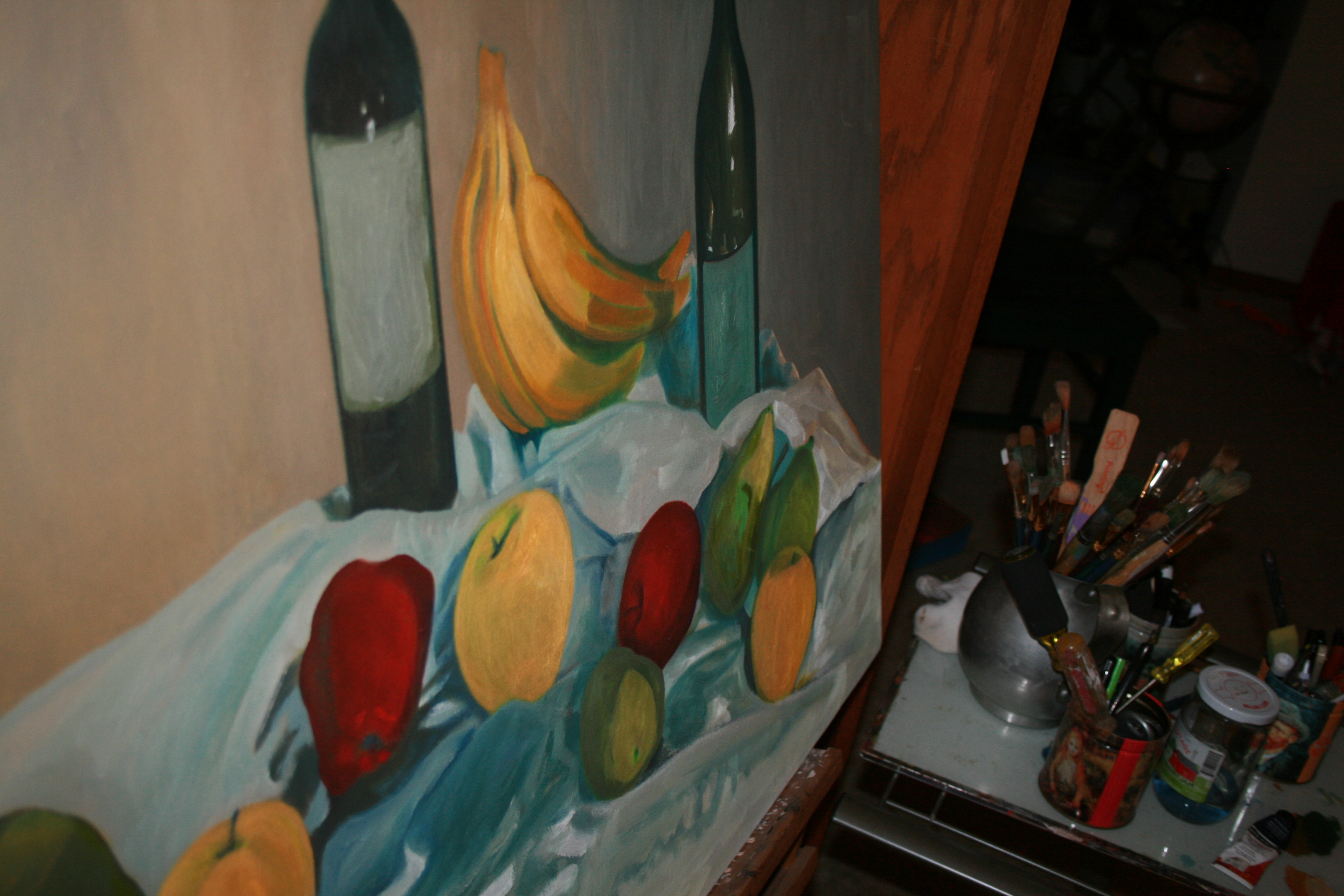
The object, which is back of every true work of art, is the attainment of a state of being, a state of high function, a moment of existence. We make our discoveries while in this state because than we are clear-sighted.
Robert Henri-The art Spirit
We have a magic bullet it’s a smoothy maker. We did a combination of eggs and green peppers and well the eggs turned out green by accident so in the spirit of Dr Seuss’ birthday I said oh look we are having green eggs and ham for breakfast. The kids said no thanks. I said you can’t say no you have to say…I do not like green eggs and ham. I will not eat them here or there I will not eat them anywhere. Personally I wouldn’t eat them with a fox or in a box either note to self never do that again.
This year will go down in history, for the first time a civilized nation has full gun registration. Our streets will be safe, our police more efficient, and the world will follow our lead into the future. Adolf Hitler 1935.
This is why Congress will not pass any gun legislation in the USA. We have the 2nd amendment for a reason. “When governments fear the people, there is liberty. When the people fear the government, there is tyranny. The strongest reason for the people to retain the right to keep and bear arms is, as a last resort, to protect themselves against tyranny in government.” Thomas Jefferson
I woke up to a winter wonderland today. We’re snowed in got about 8″ of snow over night expecting 12″ by the end of the day. Schools are closed and there are cars stuck or in the ditch everywhere. It’s a mess out there very thankful we still have power. I’m not going to work I have plenty to do here like finding my cross country ski’s.
In front of me sits a bloody mary, a bagel with cream cheese with a hint of almond and on the side an omelette with cheese, green peppers. Another bloody mary might be due or at least a beer chaser. This is a treat for us not a normal thing.
I’m checking my eBay and had a pretty successful week. I diversified a little and made some good choices aside from my usual postcards.
I was reading from a local newspaper called “Freedom Weekly” free news for free people. It has our national debt of 16,432,519,875,802.97 and it says under it…
“The way to crush the bourgeoisie (marxist term for the middle and upper class) is to grind them between the millstones of taxation and inflation.”
Vladimir Illich Lenin
Do we ever learn from history? The president now says the sequester is going to devastate our economy, but George wills who I believe says 44 billion is less than 2% of the GDP budget. We’ll see what happens this week in Washington.
Painting wise…
I find myself vacillating between feeling that it’s really great and really horrible. One moment, I’m a genius creating masterpieces and the next I’m thinking I haven’t any talent, the work is vapid and I’m a complete idiot. It’s a constant process of doubt and assurance that drives you to do better.
John Alexander
 Almostfinnish's Blog